
"coffee fruit"
52000 article(s) found

Boutique Coffee Analysis of Coffee beans
There are about 60 species of coffee in the world, of which only 25 species are cultivated to make coffee, of which only 4 species are used as commercial coffee: large fruit coffee (Coffea liberica), medium fruit coffee (Coffea canephora), small fruit coffee (Coffea arabica) and high yield coffee (Coffea dewevrei). These are botanical names. Coffee in the world at present

Cultivation techniques of small Coffee in Yunnan Province: harvesting and processing
Timely harvest is an important link to ensure high yield and improve product quality of coffee. The harvest time of small seed coffee is more concentrated, when the fruit turns red, it can be harvested. It should be picked along with ripening. After completely turning red, the fruit is easy to fall off. (9) Wet processing is generally adopted in processing. (1) washing fruit. Wash away the soil or sundries that stick to the fruit. (2) grading of fresh fruit. Turn the green fruit and dried fruit

Coffee trees take 3-5 years from planting to fruiting.
Coffee trees take 3-5 years from planting to fruiting. 6-10 years of coffee trees are the most likely to bear fruit, about 15-20 years, is the harvest period. Coffee trees are usually bred in nurseries and grow into saplings, and then moved to coffee farms a year later, in full compliance with the way the Arabs planted and cultivated coffee trees. Coffee trees will continue to take root downward and upward in the first four or five years of their growth.
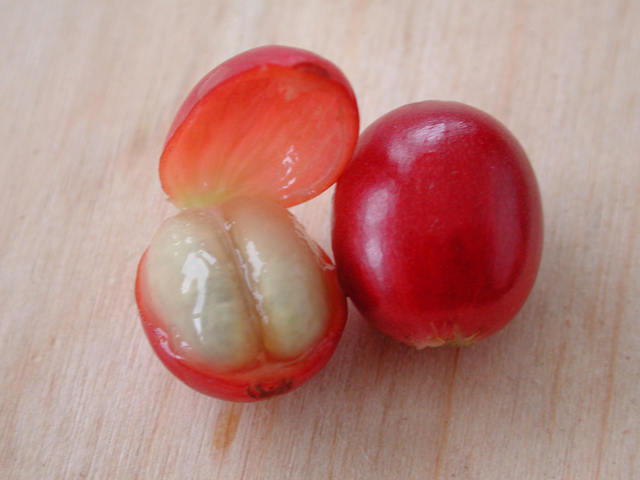
The treatment process from Coffee Fruit to Coffee Raw beans after picking Coffee Fruit
There are a pair of oval seeds in the center of the coffee fruit, which are covered with outer skin, endocarp and pulp. Ripe fruits rot in a short period of time without treatment, so the purpose of refining is to preserve coffee beans for a long time so that they can be stored and circulated. Refining is to remove the skin and pulp of the coffee fruit, and then take out the seeds. The general methods of refining are drying, washing, and
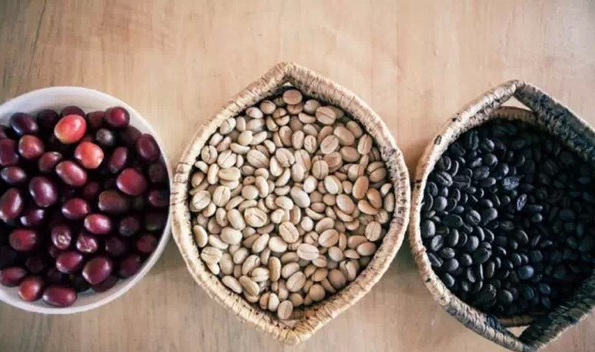
How to become a boutique coffee bean? what kind of bean is a boutique coffee bean?
When the bean has a good variety, planted in the area most likely to breed fragrant elves, but also has the careful care of coffee farmers, thrive and fruitful. BUT! Not all red fruits can become a boutique coffee bean! Today, let's talk about what kind of experience this magical fruit has to go through in order to become a boutique coffee! First of all, it must be

Freshly baked ing (1) fragrance of autumn fruits
That which does blossom in the spring will bring forth fruit in the autumn. Spring is the time for flowers to bloom, and autumn is the season for fruit ripening. Ming's freshly roasted coffee is also like the fruit of this autumn branch, which emits the fragrance of ripe fruit in the golden autumn sun. Today's five newly baked items: Kenya, Colombia, Ethiopia, Costa Rica and Bolivia. Two classic African beans, China and the United States
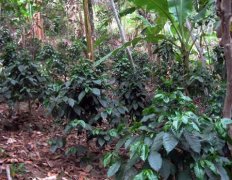
Production of coffee beans Coffee trees from planting to fruiting
Coffee trees take 3-5 years from planting to fruiting. 6-10 years of coffee trees are the most likely to bear fruit, about 15-20 years, is the harvest period. Coffee trees are usually bred in nurseries and grow into saplings, and then moved to coffee farms a year later, in full compliance with the way the Arabs planted and cultivated coffee trees. Coffee trees will continue to take root downward and upward in the first four or five years of their growth.

The correct drinking method of dried Fruit Coffee on Yejia Coffee Tree _ suggestion on the parameters of dried Fruit Yega Chefe
Professional coffee knowledge exchange more coffee bean information please follow the coffee workshop (Wechat official account cafe_style) Yega Xuefei Coffee Origin introduction Ethiopia is the first country to discover coffee and belongs to the most important producing country in terms of coffee quality and output, with an annual production capacity of about 350000 tons. Ethiopia is famous all over the world for its mocha beans from Hara.
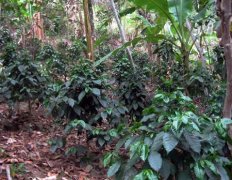
Production of coffee beans Coffee trees from planting to fruiting
Coffee trees take 3-5 years from planting to fruiting. 6-10 years of coffee trees are the most likely to bear fruit, about 15-20 years, is the harvest period. Coffee trees are usually bred in nurseries and grow into saplings, and then moved to coffee farms a year later, in full compliance with the way the Arabs planted and cultivated coffee trees. Coffee trees will continue to take root downward and upward in the first four or five years of their growth.
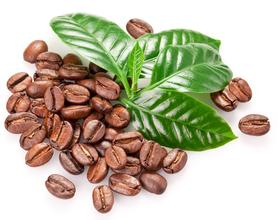
There are so many varieties of coffee beans how to become a high-quality coffee bean?
When the bean has a good variety, planted in the area most likely to breed fragrant elves, but also has the careful care of coffee farmers, thrive and fruitful. BUT! Not all red fruits can become a boutique coffee bean! Today, let's talk about what kind of experience this magical fruit has to go through in order to become a boutique coffee! First of all, it must be

Cultivation techniques of small Coffee in Yunnan Province harvesting and processing of coffee beans
Timely harvest is an important link to ensure high coffee yield and improve product quality. The harvest time of small seed coffee is more concentrated, when the fruit turns red, it can be harvested. It should be picked along with ripening. After completely turning red, the fruit is easy to fall off. (9) Wet processing is generally adopted in processing. (1) washing fruit. Wash away the soil or sundries that stick to the fruit. (2) grading of fresh fruit. Green fruit, dried fruit,
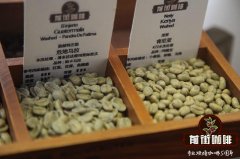
You must know the knowledge of raw coffee beans what is the difference between the methods of handling raw beans
Where did the coffee come from? The common coffee beans are coffee beans that can be brewed into coffee after being processed and roasted. But many people may not know that coffee beans are the essence peeled off by layers of coffee fruit, that is, the seeds of coffee cherries (commonly known as coffee cherries because they look like cherries). The third from the right is the maturity that can be harvested. Oh, overcooked or overripe.

What is coffee cherry cherry fruit the whole ripening process takes about how long
Do you know where the boutique coffee comes from? what are coffee beans? coffee beans actually come from ripe coffee fruits, which are also called coffee cherries. What is coffee cherries? Coffee cherries are the fruits or berries of coffee trees that grow in clusters along the short stems of the plant. Coffee cherries are usually about 6 inch (1.5 cm) long and start out light green.
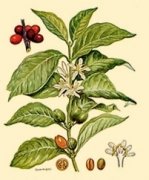
A brief introduction to the basic knowledge of Coffee beans
There are about 60 species of coffee in the world, of which only 25 species are cultivated to make coffee, of which only 4 species are used as commercial coffee: large fruit coffee (Coffea liberica), medium fruit coffee (Coffea canephora), small fruit coffee (Coffea arabica) and high yield coffee (Coffea dewevrei). These are botanical names. Coffee in the world at present
Fruit-flavored cappuccino (cappuccino) production process
What do you think of fruit-flavored cappuccino? Traditional cappuccino milk foam is thicker, coffee flavor is obvious; La Hua cappuccino milk flavor, coffee flavor is clearly discernible, when you enjoy the simple milk, coffee-flavored cappuccino many times, do you try to change the taste? Or change the method of cappuccino? "Fruit cappuccino" can make a variety of fruit flavor choices, for example

Introduction of Honduran coffee beans with rich and mellow taste and non-astringent and sour taste
High-quality coffee in Honduras uses water washing to deal with coffee beans, usually after soaking, when the defective fruit will surface, it can be discarded first. Then put the good fruit into the fruit peeling machine and peel off the peel with the rotating force of the machine. Peeled fruits are screened by machines to select fruits of high quality. Usually the bigger the fruit.

How does Fapa Camara taste after dry sun treatment? orange Fruit Manor selection Coffee Bean selection process
For the exchange of professional baristas, please follow the coffee workshop (Wechat official account cafe_style) El Naranjo Dipilto. Orange Fruit Manor (Best of Nicaragua winning Manor | Award record: 2016. 1st place) non-water sun treatment Nicaraguan Coffee Variety: Pacamara/ Pacamara Manor owner: Luis Emilio Valladarez Zelaya producing area: Nu
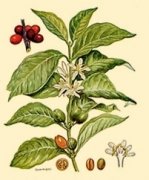
Basic knowledge of boutique coffee knowledge of fine coffee beans
There are about 60 species of coffee in the world, of which only 25 species are cultivated to make coffee, of which only 4 species are used as commercial coffee: large fruit coffee (Coffea liberica), medium fruit coffee (Coffea canephora), small fruit coffee (Coffea arabica) and high yield coffee (Coffea dewevrei). These are botanical names. Coffee in the world at present
Common sense method of Coffee invents the Frozen Storage method of small Fruit Coffee Seeds
The French Development Institute has recently successfully invented a method of long-term frozen storage of small fruit coffee seeds, which provides a reliable means for establishing a small fruit coffee seed bank and protecting biodiversity. Coffee belongs to Rubiaceae evergreen shrubs or small trees, mainly produced in tropical areas, there are small fruit coffee, medium fruit coffee and large fruit coffee and so on. Small fruit coffee is native to the Arab region and is currently grown in the world.
Coffee fruit Coffee Cherry
After the coffee flowers fade, they are replaced by small coffee fruits. The ripe coffee fruit is red and looks a bit like the familiar cherry, called coffee cherry. The freshman coffee fruit is green and turns red after ripening for about six months. After maturity, if it is not picked in time, it will slowly turn black. The color of mature coffee fruit is related to the variety, most coffee